
Behind the Walls of Clover Bottom: The Untold History of Institutionalization in Tennessee
Authored by: Jack Derryberry, DRT Senior Counsel
For almost 100 years, many parents were told to send their children with intellectual and developmental disabilities (ID/DD) to institutions. Doctors and teachers often said these places were the best way to keep people safe and cared for. Many people believed that people with ID/DD could not learn, work, or live with their families.
But institutions were often terrible places to live. Many children were sent there and stayed for the rest of their lives. Diseases spread easily because so many people lived close together. Many people died there without friends, family, or support. Between 1880 and 1967, the number of people living in state institutions across the country grew from 2,429 to 194,650 people. By 1967, almost half of the people living in these institutions were children.
Clover Bottom was one of these institutions in Tennessee.
The Beginning of Clover Bottom
In 1919, Tennessee lawmakers set aside $10,000 to build a place for people they called “feeble minded,” a harmful term used at the time for people with intellectual disabilities. In 1920, the state added another $100,000 to buy land from the Clover Bottom farm. In 1921, the state bought 440 acres of land for the facility. In 1946, Tennessee bought more land, bringing the property to about 700 acres total.
In 1920, Tennessee was also part of a study by the National Committee for Mental Hygiene. The study looked at conditions for people with disabilities in Southern states.
The facility opened in 1923 as a working farm. It was first called the Tennessee Home and Training School for Feeble Minded Persons. It was located on Stewarts Ferry Pike in eastern Davidson County.
The number of people living there grew very quickly. In the first nine months, 248 people lived at the facility. Twenty-five percent of them were children under 12 years old. The institution soon became overcrowded.
Rapid Growth and Overcrowding
By 1960, about 1,500 people with intellectual disabilities lived at Clover Bottom. The population later reached a high of 1,563 residents in the 1970s.
Most residents never left the institution. Many stayed there until they died. Some people who died there were buried in the facility cemetery, and many graves were left unmarked.
The state created a large system it could not properly support. Clover Bottom was not built to meet the needs of people with severe intellectual disabilities, complex behaviors, or major medical needs. Staff were not properly trained, and there was not enough funding.
Isolation, Neglect, and Lack of Care
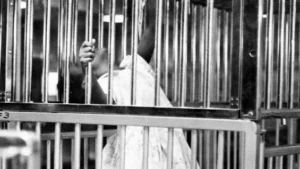
Medical care was limited and often ineffective. Most residents received little or no treatment. Many people with disabilities were kept separated from society because people believed they did not belong in their communities. Some residents were even kept in cages or locked wards. People with disabilities were often called “undesirables” and hidden away from the public.
The Farm Was Built on Resident Labor
Because of limited funding, residents worked to help run the institution. They worked on the farm and helped maintain the buildings without pay. This later led to lawsuits.
In 1949, Tennessee bought the remaining Clover Bottom land for $150,000 as part of a plan to expand nearby state facilities. The farm continued to operate as part of the Clover Bottom Institutional Farm.
Residents worked growing crops and caring for animals. State leaders said this work would teach job skills and help residents find employment after leaving the facility. But in reality, very few residents ever left because many people still believed institutions were the best place for disabled people.
Critics argued that making residents work without pay was similar to involuntary servitude, or forced labor.
New Name, Same Problems
In 1946, teachers at the institution taught arts and crafts classes. Soon after, the institution’s name changed to “Clover Bottom Home.” In 1973, the name changed again to “Clover Bottom Developmental Center.”
By the 1960s, Clover Bottom Hospital faced growing criticism. Reports described overcrowding, abuse, poor safety conditions, lack of treatment, not enough medical care, and missing psychological services. The farm also struggled financially, possibly because the soil had become worn out over time.
Residents continued to work in areas like farming and maintenance. Children and young people were separated from the community for education. Many residents did not receive “active treatment,” meaning services that helped them learn skills and become more independent.
Pressure for change continued to grow, and these problems would eventually lead to the facility closing.

In our next post, we will share the next part of Clover Bottom’s tragic history and how the public began to see the truth about life inside institutions.
Written By Jack Derryberry
Jack Derryberry is Senior Counsel at Disability Rights Tennessee and has been there five years. He has been practicing law in areas affecting disability rights for over forty years. He is a former legal aid attorney at youth development centers during that time and has also often been involved in matters affecting community services to waiver service recipients in Tennessee. He has also been involved in a number of special education cases at both the administrative hearing level and in appeals in court. He sits on the Tennessee Bar Association Access to Justice Committee with other providers of pro bono services to persons who cannot afford an attorney.